
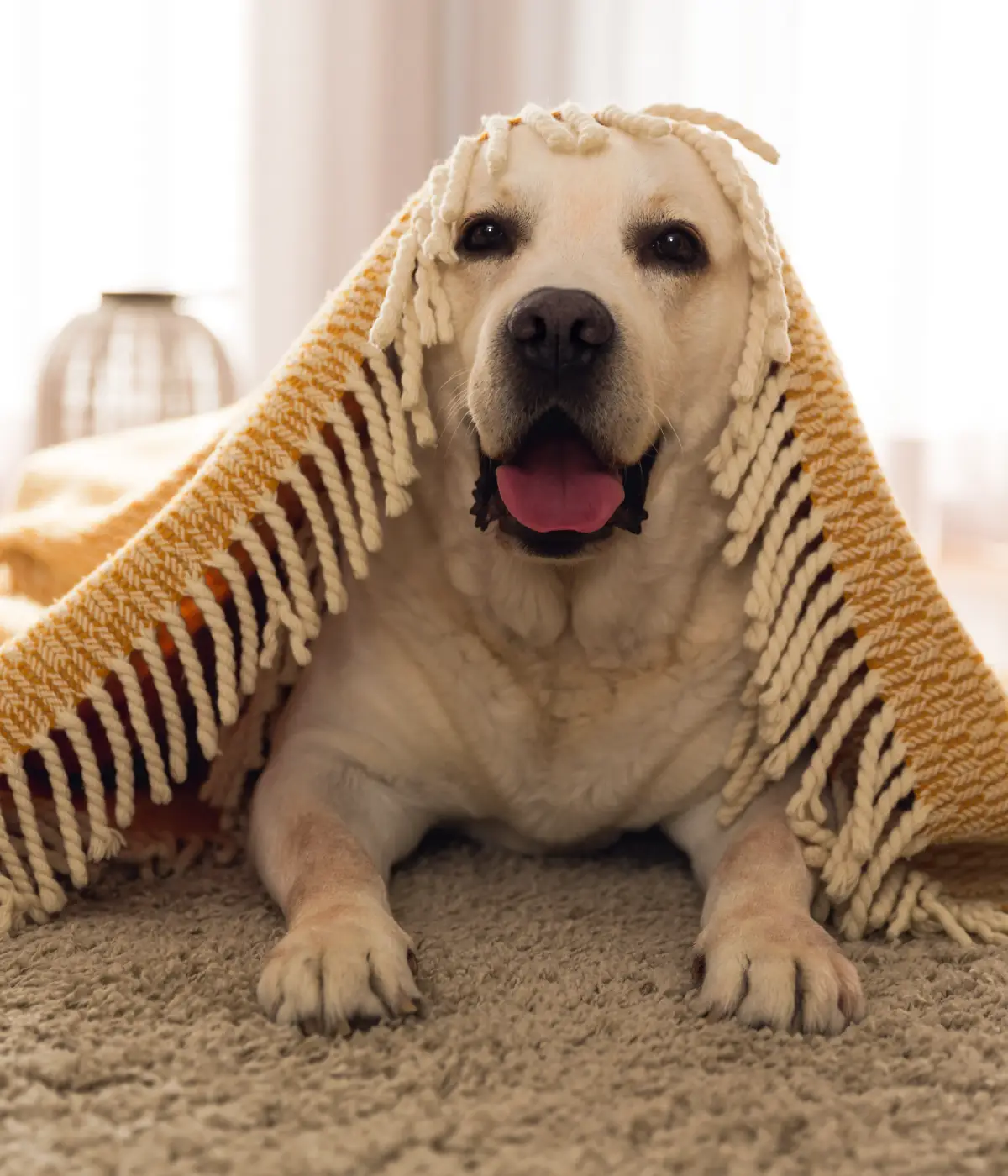
Cold Weather Prep: Winter Grooming and Coat Care Tips
As temperatures drop, your dog’s grooming needs change more than you might expect. Preparing your dog’s coat for the cold season isn’t just about keeping them looking their best; it’s an important part of keeping them healthy and comfortable. With a few intentional grooming habits, you can help your dog stay cozy and protected all winter long.
Understanding Your Dog’s Coat Type
Before creating a winter grooming routine, it’s important to understand what type of coat your dog has. Short-haired dogs may not need as much brushing, but they are more prone to feeling cold and may need extra moisturizing products. Long-haired dogs often need more frequent brushing during winter to prevent tangles and mats caused by wet or snowy fur.
Double-coated breeds such as Huskies, German Shepherds, and Golden Retrievers shed year-round—even in winter. That “winter shed” is normal as their coat adjusts to seasonal changes. Meanwhile, curly-coated or wiry-haired dogs, like Poodles or Schnauzers, require regular trimming but also need enough length to stay warm. Knowing your dog’s coat type helps you choose the right tools and products to support their winter comfort.
Essential Winter Grooming Tasks
Below are some key tips to keep your pup happy and their coat healthy during the cold months.
Brushing to Prevent Mats and Maintain Insulation
Mats and tangles form more easily during cold months due to increased moisture from snow, sleet, and rain. Brushing lifts the coat, removes dead hair, and keeps the fur properly insulated. Long-haired and double-coated breeds benefit from brushing several times a week, while short-haired dogs typically need brushing once a week.
Proper Bathing in Cold Weather
Bathing too often during winter can strip your dog’s skin of natural oils, making dryness, flaking, and itching worse. Opt for moisturizing or oatmeal-based shampoos and limit baths to once every 4–6 weeks unless your dog gets particularly dirty. Always make sure your dog is dry from root to tip before going outside.
Moisturizing Skin and Coat
Low humidity makes your dog’s skin extra vulnerable. A high-quality conditioner, leave-in spray, or coat moisturizing mist can help restore hydration. Paw balm is another winter essential, especially for dogs walking on salted or icy sidewalks.
Coat Trimming vs. Full Grooming in Winter
Some trimming is helpful in winter, but shaving is not. Light trimming around the paws, belly, and sanitary areas helps keep your dog cleaner and prevents painful ice balls from forming in their fur. However, a dog’s coat provides natural insulation and protection. Shaving removes that barrier and can expose your dog to cold weather dangers such as frostbite or reduced body heat retention.
Protecting Paws, Noses, and Sensitive Areas
Paw pads need extra attention during winter months. Ice melt products and road salt can irritate or even burn your dog’s paws, so rinsing after walks and applying paw balm regularly is important. Trim the fur between the paw pads to prevent clumping snow.
Dry winter air can also cause chapped noses and irritated ears. Using a dog-safe nose balm and keeping ears clean and dry helps prevent seasonal discomfort and infections.
Indoor Coat Care Tips
Indoor heating systems can cause static and dryness. Using a humidifier or an anti-static grooming spray can help keep your dog’s coat smooth. Keeping their skin and coat healthy also involves staying active indoors—regular movement supports circulation, coat shine, and overall health. Enrichment activities like puzzle toys, indoor fetch, and training games keep your dog engaged and promote natural grooming behaviors like shedding and oil distribution.
Seek Professional Grooming Help with Paws & Play
If mats develop, if your dog has sensitive skin, or if you’re not comfortable handling winter trims, a professional groomer can help. At Paws & Play Dog Resort & Training Center, our Fear Free Certified groomers use coat-appropriate tools and high-quality products designed to keep skin hydrated and fur healthy. Reach out today to learn more about our dog grooming services or to request a reservation.