
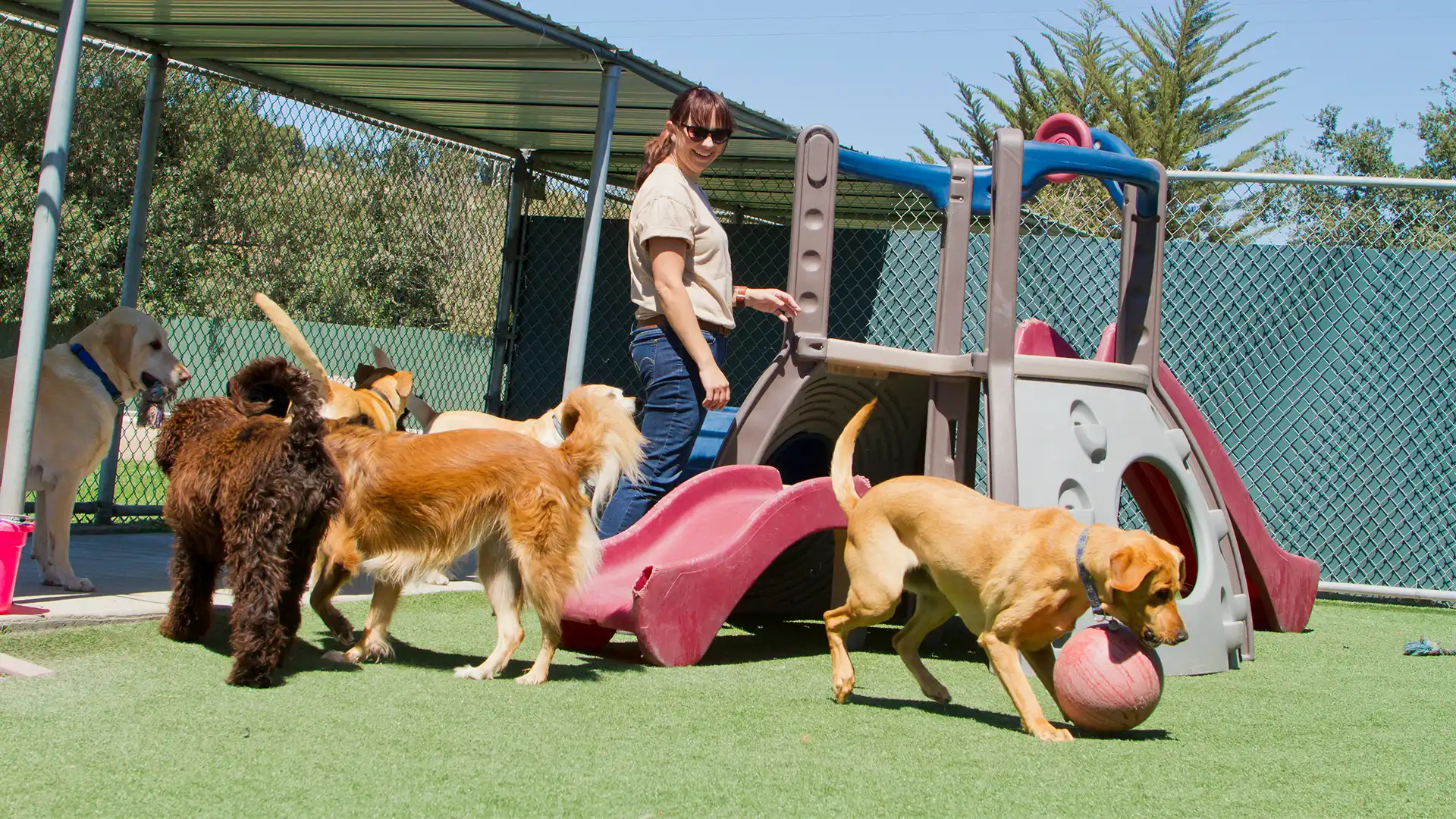
How Do I Know if My Dog Likes Daycare? 7 Signs of a Good Fit
Dog daycare can give your pup opportunities to play, socialize, and stay mentally engaged while you're away. But how can you tell if your dog actually enjoys the experience? Every dog has a different personality, and some need more time than others to adjust to a new environment. By watching your dog's behavior before, during, and after visits, you can get a better idea of whether daycare is a good fit.
7 Signs Your Dog Enjoys Daycare
1. Your Dog Is Happy to Arrive
Does your dog approach the entrance willingly, show interest in the staff, or seem eager to explore? These behaviors can suggest they're becoming comfortable with the daycare routine. Some dogs show excitement through wagging tails and energetic greetings, while others simply walk in calmly. The important thing is that your dog appears comfortable rather than fearful or reluctant.
2. Your Dog Interacts Comfortably With Other Dogs
A good daycare experience doesn't require your dog to be the most outgoing pup in the room. Look for comfortable interactions, appropriate play, and the ability to take breaks when needed. Dogs should have space to communicate their boundaries and disengage when they've had enough. Some dogs enjoy group play, while others prefer a little more personal space.
3. Your Dog Engages With Activities
Interest in toys, enrichment games, supervised play, and exploring the environment can indicate that your dog is enjoying their day. Activities that challenge your dog's mind as well as their body can help prevent boredom. Engagement may look different from one dog to another, so consider your pup's personality and preferred ways to play.
4. Your Dog Can Settle Down After Play
Even social, energetic dogs need downtime. A positive dog daycare environment balances activity with opportunities to rest. If your dog can relax between play sessions, it may be a sign they're managing the environment well. Constant agitation or an inability to settle could mean they need more breaks or a different activity schedule.
5. Your Dog Comes Home Contentedly Tired
After a day of exercise and enrichment, your dog may be ready for a nap. That's normal. However, there's a difference between pleasant tiredness and extreme exhaustion. If your pup regularly comes home unusually restless, overwhelmed, or too tired to participate in their usual routine, talk with the daycare team about adjusting their activities.
6. Your Dog's Behavior at Home Stays Consistent
Pay attention to how your dog behaves after daycare. Are they eating normally, settling down at bedtime, and interacting with family as usual? These patterns can help you assess how well daycare fits into their routine. Repeated signs of anxiety, irritability, or overstimulation may mean it's time to revisit their schedule or activity level.
7. Your Dog Becomes More Comfortable Over Time
Some dogs settle in quickly, while others need several visits to feel at ease. You may notice your pup becoming more relaxed around staff, familiar with the routine, or interested in activities as time goes on. Gradual progress is encouraging. Give your dog time to adjust, and communicate with staff about how they're doing throughout the day.
What If Your Dog Seems Uncomfortable?
Reluctance to enter, repeated attempts to hide or escape, or persistent distress deserve attention. One difficult visit doesn't necessarily mean daycare isn't right for your dog, but recurring signs of discomfort shouldn't be ignored.
Talk with the daycare team about what they've observed. Shorter visits, quieter activities, or more individual attention may help. If behavioral changes continue or seem severe, consult your veterinarian to rule out underlying concerns.
Find the Right Dog Daycare for Your Pup
The best daycare experience considers your dog's temperament, play style, energy level, and need for rest. At Paws & Play Dog Resort & Training Center, structured play sessions, supervised groups, and enrichment activities give dogs different ways to stay active and engaged.
Wondering if dog daycare is right for your pup? Turn to Paws & Play to explore options that suit your dog's needs. Contact our team to learn more and get started.